The Appointed Places Of Breakthrough Intercession
The Jeremiah Generation Reading For Day 40 & 41
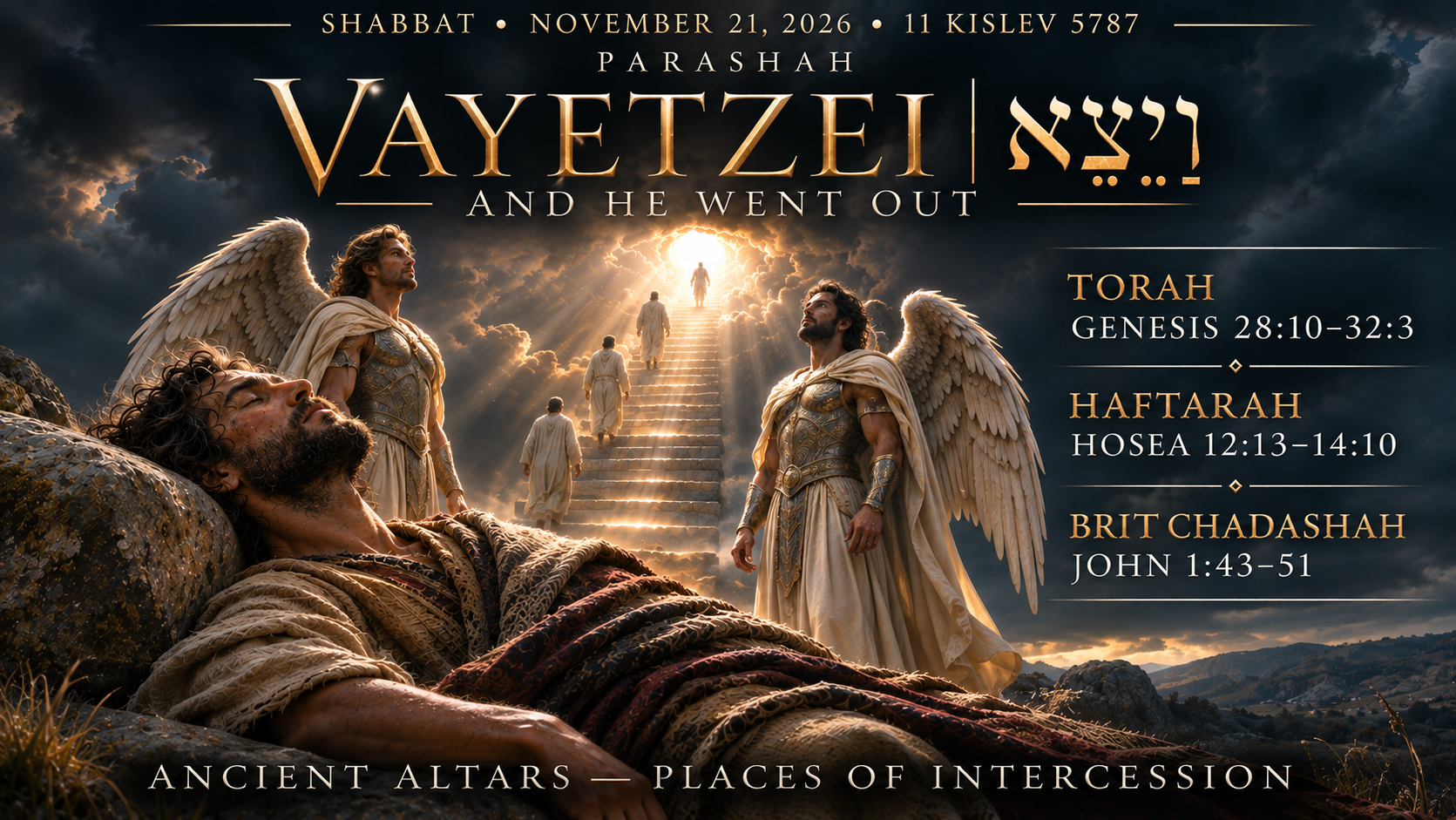
Then Jacob departed from Beersheba and went toward Haran. "So he came to a certain place and stayed there all night, because the sun had set. And he took one of the stones of that place and put it at his head, and he lay down in that place to sleep."
Genesis 28:10-11
The Paga Makom
On this Shabbat of Parashat Vayetzei, the fortieth day of this ninety-day journey into the fire of Jeremiah’s generation, something is happening around the world that is worth pausing to name: in Jewish synagogues from Jerusalem to New York to Johannesburg, in every congregation that follows the ancient Torah reading cycle, Genesis 28:10–15 is being read aloud before assembled congregations today—the story of Jacob, a stone, and a ladder.
I feel the prophetic urgency to declare that this Torah portion reading today is not a coincidence, but a proclamation. The Lord is speaking this passage into the earth in this very hour, pressing it into the consciousness of His people across every tradition and geography. The question before the whole watching world is whether we have ears to hear what the Spirit is saying to the generation that stands at the threshold of the third day.
The Torah portion draws us to one of the most important threshold moments in the biblical narrative: a tired man, a setting sun, a stone for a pillow, and two Hebrew words compressed into a single verse that contain between them the whole theology of intercession, encounter, and the appointed places of God. But before we press into Genesis 28:11 and the vocabulary of that night, we have to begin where the full weight of these words comes to rest, in a single breathtaking passage in the book of Jeremiah, because it is there that God himself reveals the full architecture of intercession by forbidding it.
THE THREE WORDS THAT CANNOT BE SILENCED
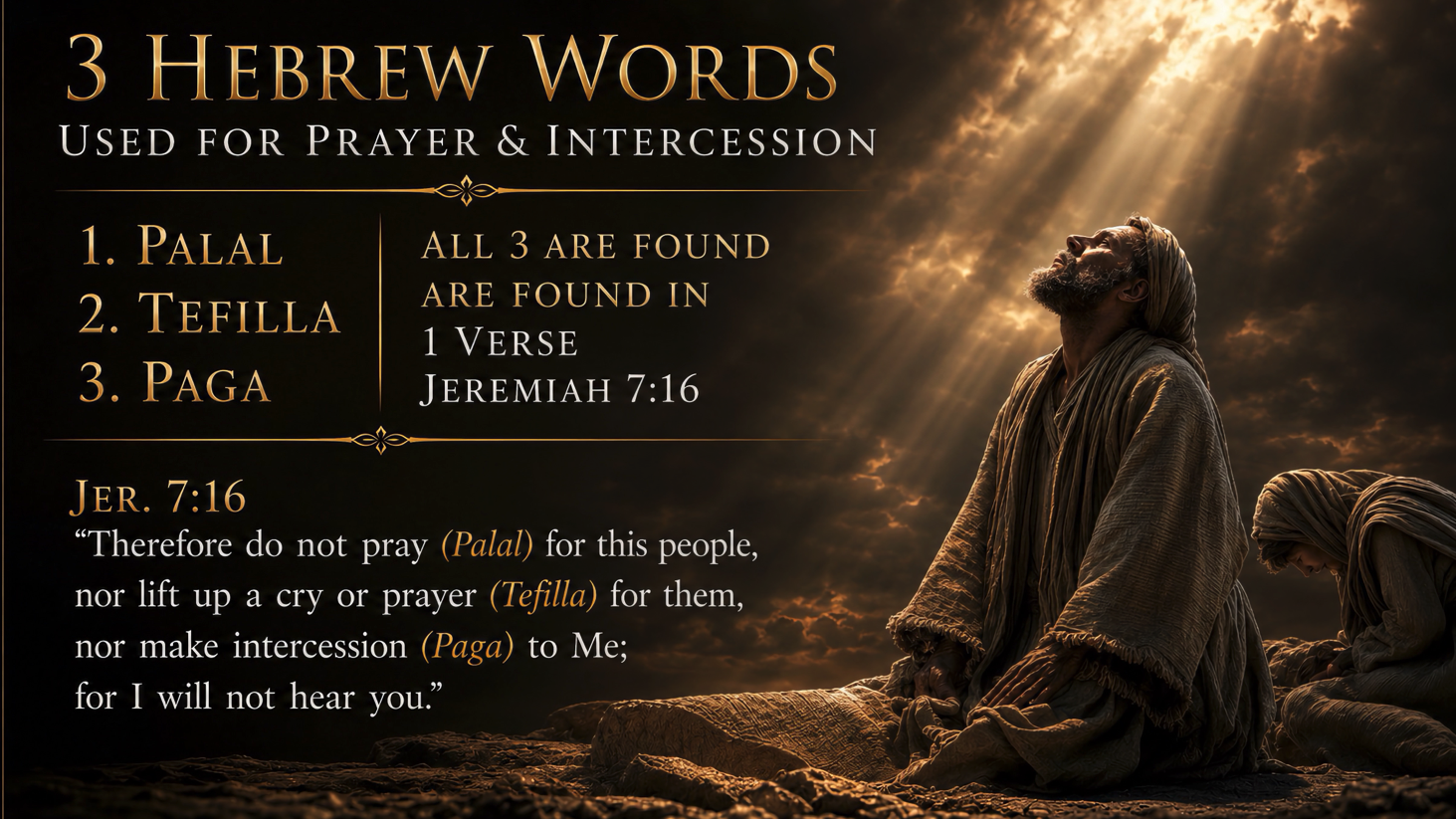
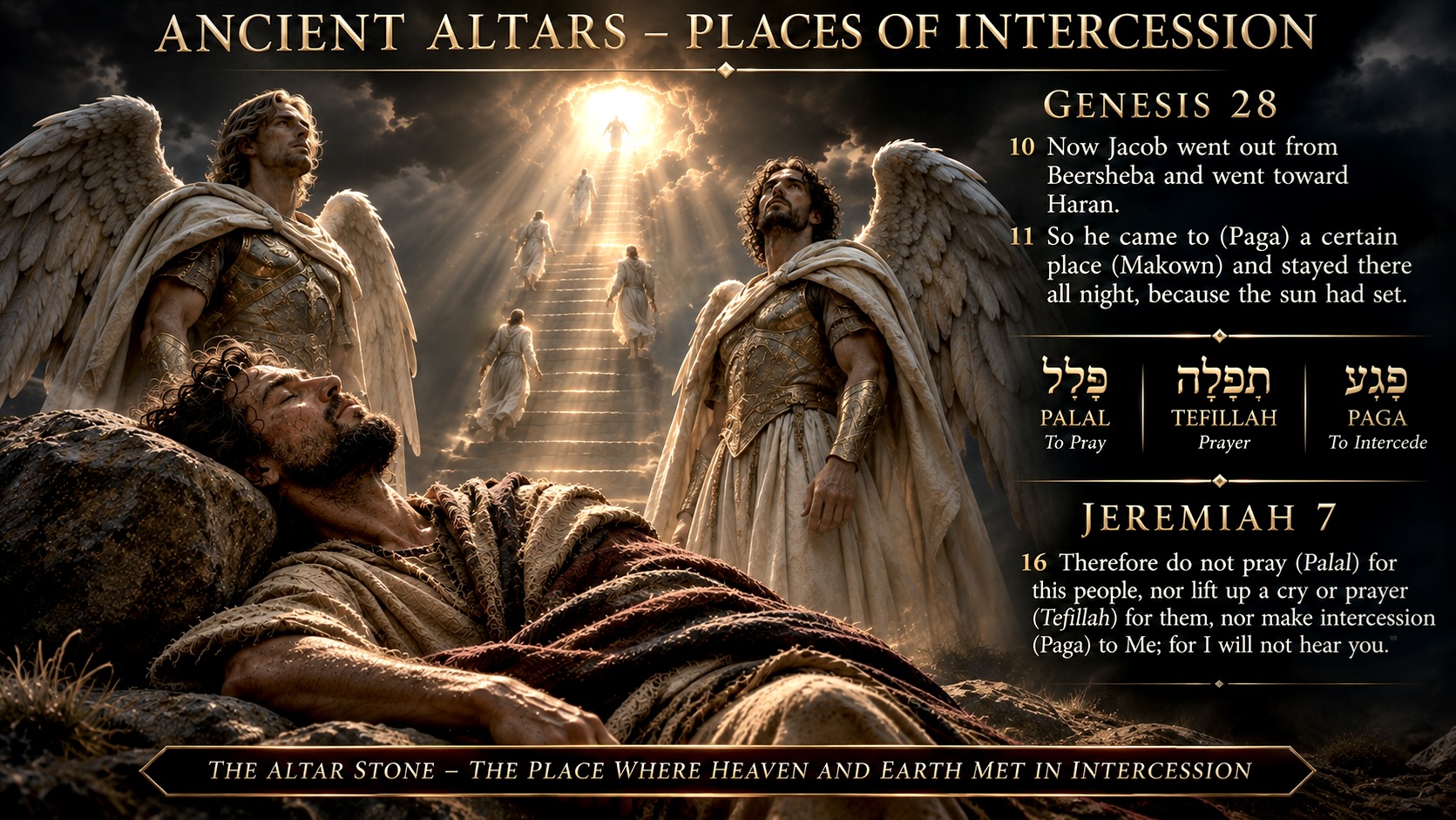
Scripture uses three primary Hebrew words for prayer and intercession, and in a single verse the Lord uses all three at once in a prohibition—not to show us exactly what prayer is, but to show how seriously heaven regards the intercessory office and how much it can accomplish. The verse is Jeremiah 7:16, and God speaks directly to the prophet: “Therefore do not pray (palal) for this people, nor lift up a cry or prayer (tefilla) for them, nor make intercession (paga) to Me; for I will not hear you.”
Jeremiah 7:16“Therefore do not pray (palal) for this people, nor lift up a cry or prayer (tefilla) for them, nor make intercession (paga) to Me; for I will not hear you.”
The first word, palal, carries the idea of intervention and arbitration, placing oneself between two parties as a mediator, judging the case, and interceding by standing in the gap between an accuser and the accused and presenting a counterplea.
The second, tefilla, is the great formal Hebrew word for prayer, the root behind the name of the psalms of petition and praise, and the word behind the central tradition of Jewish prayer that has echoed in synagogues and homes for thousands of years.
And the third, paga, is the word for the kind of prayer that moves through encounter, that falls upon its object in a spirit of deep entreaty, not merely voiced, but carried in the full weight of the intercessor’s presence and being. It arrives at a place or a person the way Jacob would arrive at Bethel before morning: exhausted, unexpectedly, and yet with the full force of a divine appointment.
The fact that God had to forbid all three is itself the revelation. Israel had not simply sinned—she had crossed a threshold of apostasy by refusing to repent of religious syncretism and allowing culture to shape the Kingdom instead of the Kingdom shaping the culture.
The LORD (Yahweh) used these three words to reveal the full arsenal of intercession, but the LORD refused to allow the prophet Jeremiah to employ the power of intercession on behalf of a people who refused to do Teshuvah (return to original intent). The LORD gave them over to what they wanted: Babylonian mixture, employed through generations of religious syncretism. Nothing could change the decision of Heaven’s court; God’s people would be given over to what they wanted—Babylon. This is the imagery of Romans 1:18–30, where the LORD comes three times, but the people refuse to repent, and God gives them over to the desires of their hearts.
The church is at a threshold of one of the greatest transitions in human history. God is raising up voices like Jeremiah’s, and hopefully we will listen to the Jeremiah generation of our day and repent of the religious syncretism we don’t think we need to repent of: the Greco-Roman Jesus. We’re currently being summoned to return to the true biblical Jesus (Yeshua) and His lifestyle, which is the blueprint pattern for the habitation of His Latter Glory.
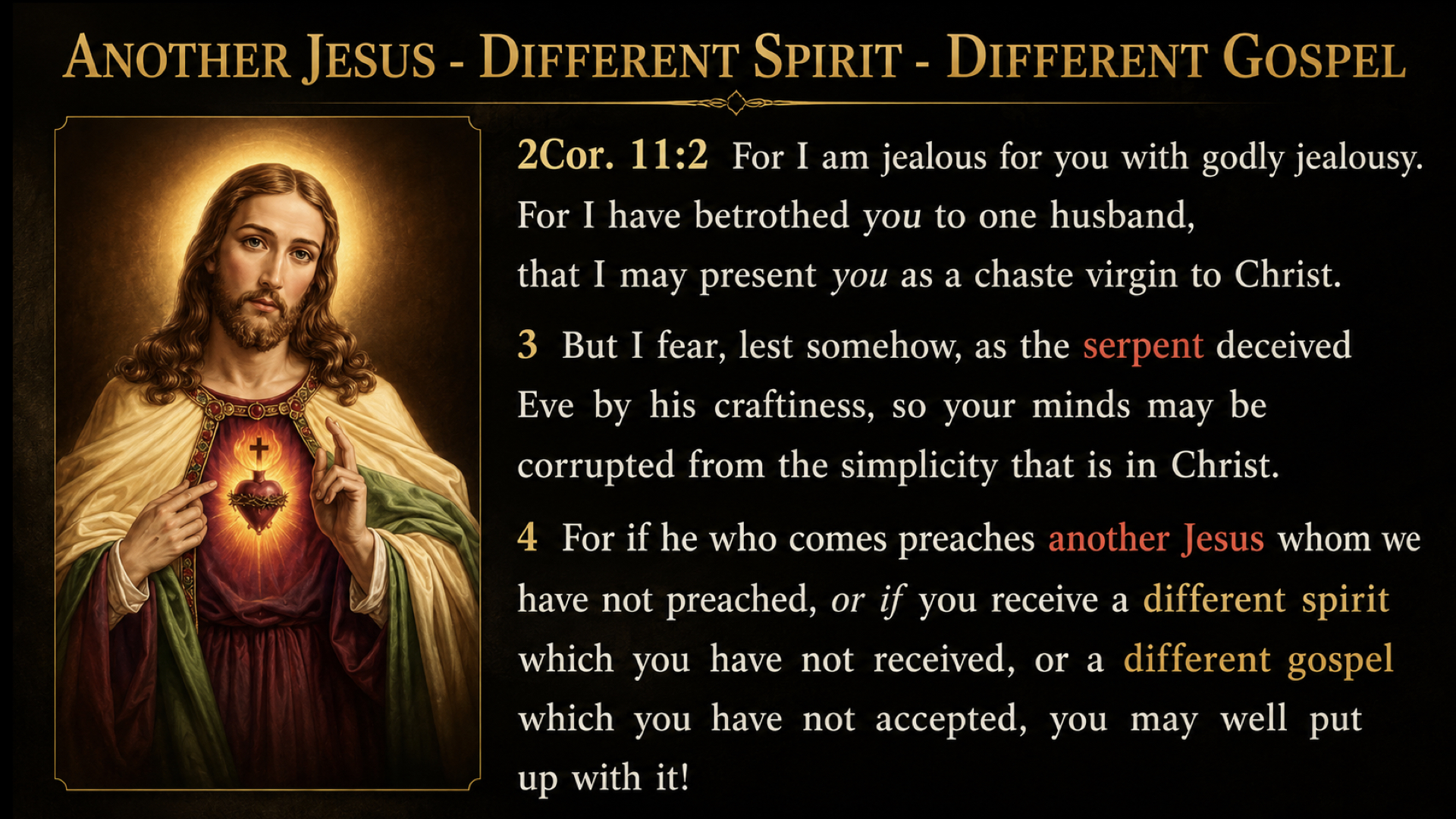
The leaders of Jeremiah’s day were very sincere, but sincerely wrong. We read about them and think they were all wicked men, but they were men and women just like us, whom centuries of religious syncretism had blinded to the truth of the original blueprint—the pattern that God revealed to his covenant people. God created his covenant people to be a light to the nations, but they kept wanting to be like the nations, and that was their downfall.
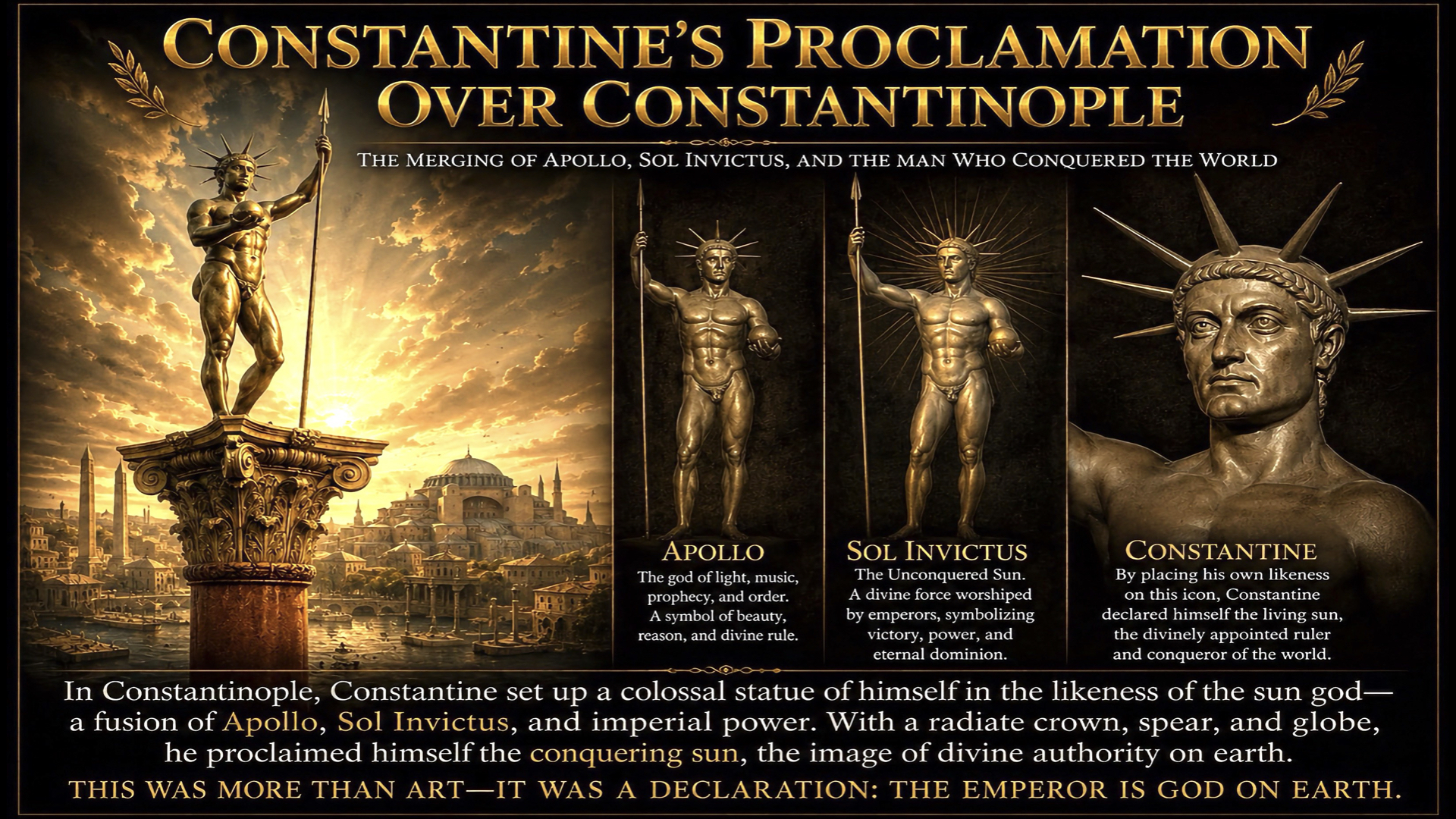
During Jeremiah’s day, the prophets kept prophesying dreams and visions, but those dreams and visions had been corrupted by centuries of religious syncretism. Yet one prophet, Jeremiah, stood in the council. This didn’t bring him great wealth or religious notoriety, but it brought him much trouble because the religious system that offered sacrifices and sang songs about Yahweh, and contended for revival did so on their own terms, not according to the original blueprint God gave His covenant people. The leaders of the system refused to have a conversation about religious syncretism, which Yahweh absolutely forbade.
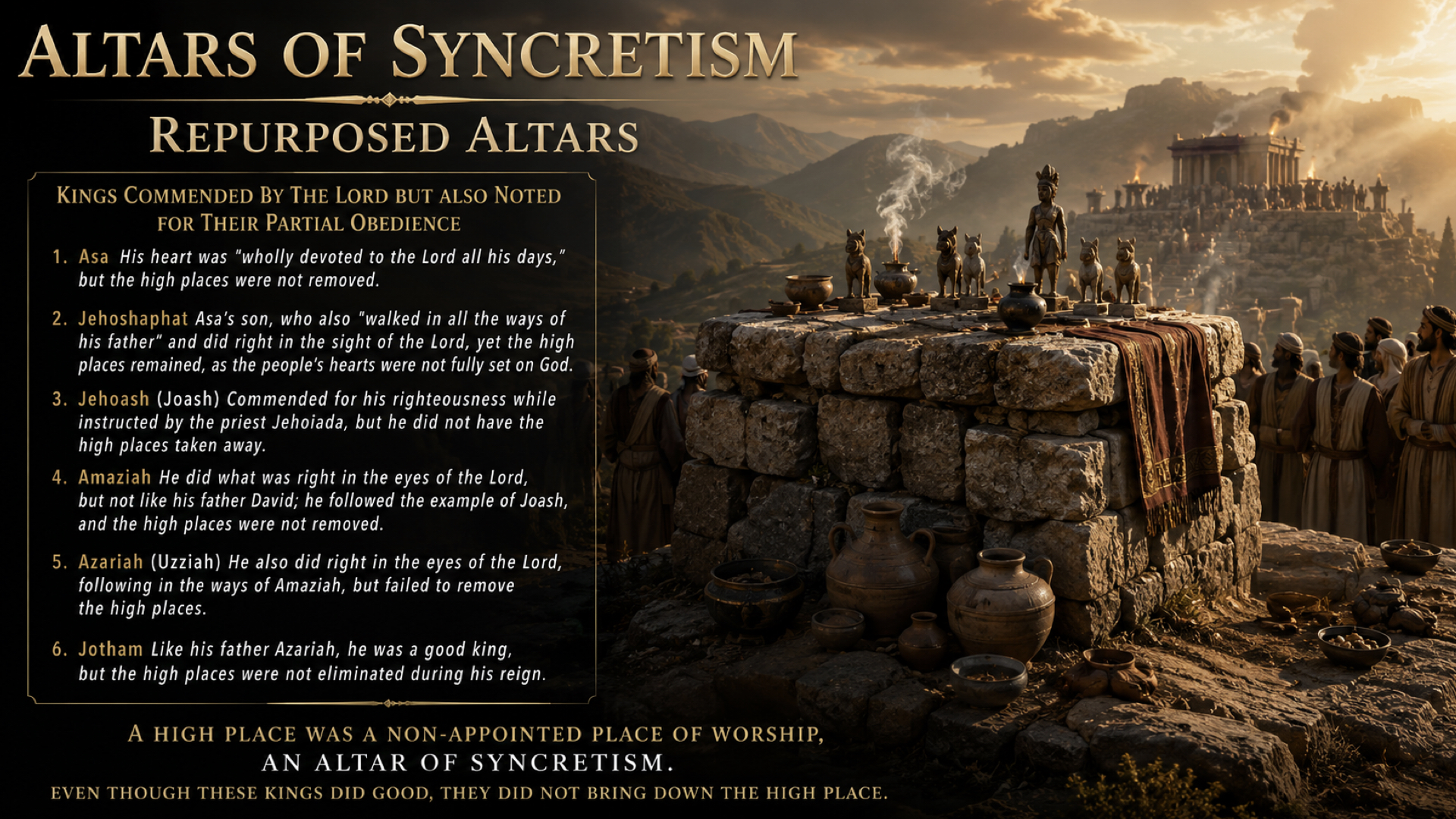
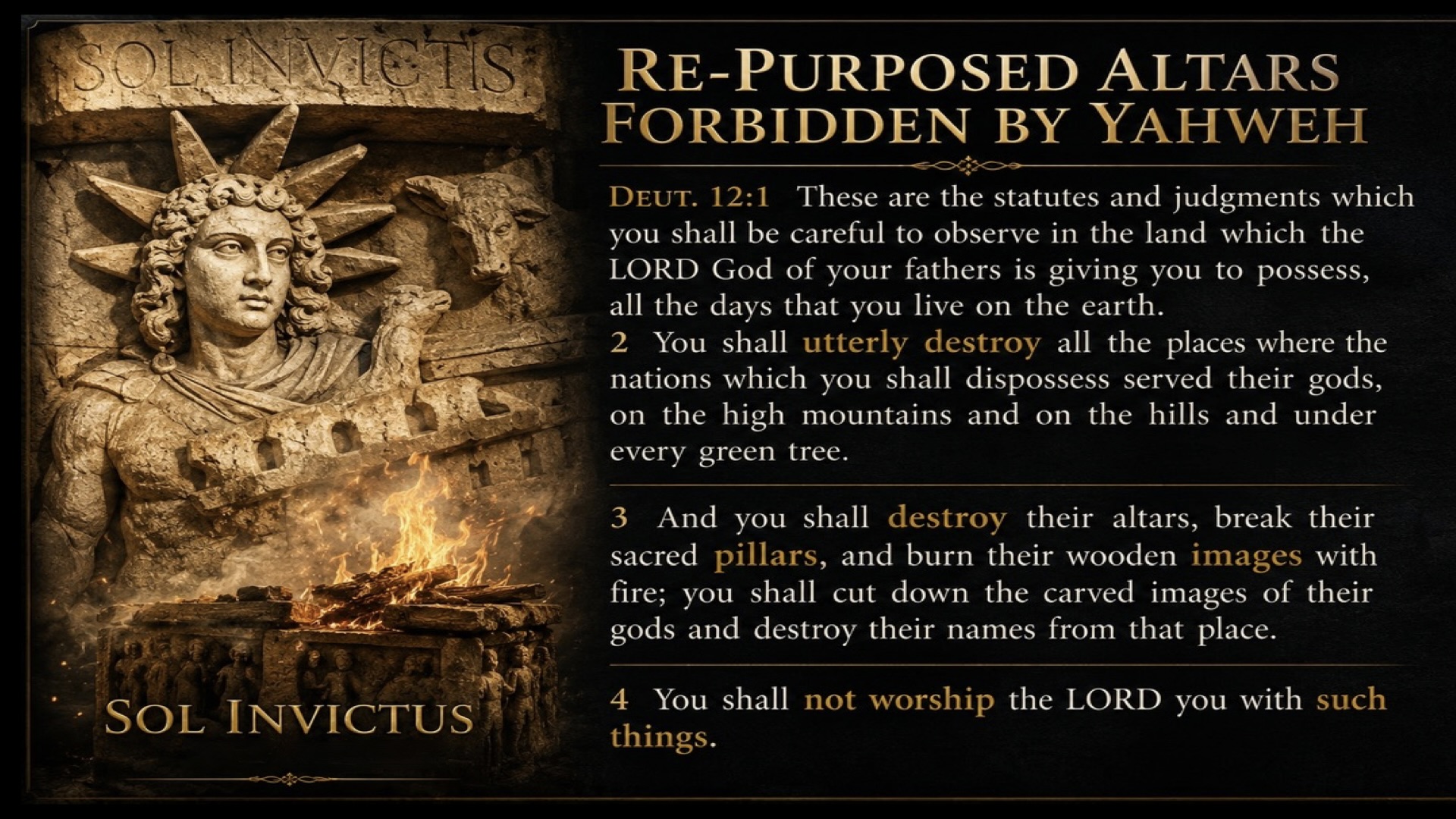
They were commanded not to repurpose pagan altars in service to Yahweh, not because God is a dictator or proud, but because the seed and root of those altars go all the way back to the Tower of Babel rebellion and the seed of the Nephilim. Read Deuteronomy 12:1–4 and Exodus 34:11–14:
Deuteronomy 12:1–4 “These are the statutes and judgments which you shall be careful to observe in the land which the LORD God of your fathers is giving you to possess, all the days that you live on the earth. You shall utterly destroy all the places where the nations which you shall dispossess served their gods, on the high mountains and on the hills and under every green tree. And you shall destroy their altars, break their sacred pillars, and burn their wooden images with fire; you shall cut down the carved images of their gods and destroy their names from that place. You shall not worship the LORD your God with such things.”
Exodus 34:11–14 “Observe what I command you this day. Behold, I am driving out from before you the Amorite and the Canaanite and the Hittite and the Perizzite and the Hivite and the Jebusite. Take heed to yourself, lest you make a covenant with the inhabitants of the land where you are going, lest it be a snare in your midst. But you shall destroy their altars, break their sacred pillars, and cut down their wooden images (for you shall worship no other god, for the LORD, whose name is Jealous, is a jealous God).”
Jeremiah’s obedience in speaking the word of the Lord did not earn him favor with man, but it did earn him favor with God. It gave him access to the council of the Lord, a place before the throne of the Ancient of Days that no devil could kill, steal, nor destroy.
Jeremiah 7:16 highlights the power of the Kingdom of God released through prophetic intercession from a pure vessel—a kind of prayer that God forbade Jeremiah from engaging in on behalf of the people. This speaks to the depth of its power. God had to name all three words in a single command because all three were real, all three were active, and all three carried the authority to move heaven on behalf of a people. In this hour, with this generation, in this season, the LORD of hosts is not forbidding them. He is summoning them.
HE LIGHTED UPON THE PLACE
The Hebrew behind “he came to a certain place” in Genesis 28:11 gives us two words that no English translation can fully carry. The King James Version comes closest when it renders the phrase “he lighted upon a certain place” because that phrase—“lighted upon”—reaches for something the modern versions flatten into ordinary travel language—and what Jacob did that night was anything but ordinary.
The first word is paga, and once you understand what it means, you can never read this passage the same way again. Paga is one of the three primary Hebrew words Scripture uses for intercession. It means to encounter, to entreat, to pray, to fall upon, to make intercession—and it appears at some of the most pivotal moments in the entire Bible. It is the word behind Isaiah 59:16, where the LORD surveys the earth and grieves that there was no intercessor standing in the gap. And it is the word behind the climactic declaration of Isaiah 53:12, the description of the suffering Servant of God who “bore the sin of many, and made intercession for the transgressors”—the paga of the Messiah at the cross, where arrival and intercession became the same act, where the One who came into this world to encounter us became, in that encounter, the intercessor who would not let us go.
Isaiah 53:12“ He was numbered with the transgressors, and He bore the sin of many, and made intercession for the transgressors.”
But the word carries one more dimension that this generation needs to understand: in Scripture, paga also describes breaking through upon an enemy—falling upon what has been erected against the purposes of God with the force of a divine mandate. The same Hebrew root that means to intercede also means to break through, to fall upon what stands in opposition. The intercessor who truly paga’s is not merely someone who bows in prayer; he is someone who acts upon the revelation received in the place of encounter to break through what the enemy has fortified. This is breakthrough intercession—prayer that does not stop at the threshold of the problem but falls upon it, that arrives at the appointed place and refuses to leave until something is broken and something is opened. When you understand this, you read the whole story of David in a different light, and we will come back to him tomorrow.
When Jacob paga upon the place, the Hebrew is not describing a tired traveler stumbling onto a convenient campsite. The language of the text reaches into the same language as Isaiah 53 and Jeremiah 7—the language of intercession, of an encounter that carries priestly weight. His arrival at this location was itself a form of prayer. The mere fact of his exhausted body settling at this site, without an altar yet built, without a vow yet made, without a word spoken into the desert night, was already a priestly act in the language of heaven—a paga, a falling upon the place in the full weight of what that word means, the third of the three great intercession words, moving through the landscape of Canaan in the person of a man who did not yet know he was an intercessor.
THE MAKOM – THE APPOINTED PLACE
The second word is makom—the Hebrew word for “place.” But what strikes you when you read Genesis 28:11 carefully is that the word appears three times in a single verse: he came to the place, he took stones from that place, and he lay down in that place. Three times. The repetition is not accidental; it is the text insisting that the place itself matters, that something has been embedded in this geography that Jacob’s natural senses cannot yet detect but that the Spirit of God is pressing us not to overlook.
The rabbinical sages were so struck by the theological weight this word accumulates across Scripture that they employed it as one of the names of God himself: HaMakom, “the Place.” The Midrash declares that he is the dwelling place of the world, but the world is not his dwelling place—meaning the universe is contained within God’s presence rather than the other way around. The word makom had stretched until it became a container for the divine presence itself, a name for the One who is the ultimate context for all existence. When Jacob arrived at the makom, he was arriving, without knowing it yet, at the place where HaMakom dwelt.
We have encountered this word before, in Genesis 22:4, in what I believe is the most theologically layered moment in all the patriarchal narratives. Abraham, on the third day of his journey toward the altar, “lifted his eyes and saw the place (hamakom) afar off.” He did not see a mountain range, a geographical feature, or a recognizable landmark. He saw the place—the makom—the site God had appointed from before the foundation of the earth for the shedding of blood, for the encounter between divine instruction and human obedience, and for the revelation that the LORD himself would provide the sacrifice.
The rabbinical tradition, virtually without dissent, identifies the makom of Abraham’s binding of Isaac as Mount Moriah, the future Temple Mount. And when Jacob lays his head on the stones of Genesis 28, the same question presses upon us: Is this the same makom? The debate among Jewish commentators and Christian scholars about whether Jacob’s Beth-El is identifiable with Abraham’s Moriah remains a mystery—the geography is genuinely complex, and honest interpreters have disagreed for centuries. But what is undeniable is the word picture: the makom has continuity across generations, a divine appointment that travels through time like a single thread running through the whole garment of redemptive history, surfacing at key moments in the lives of the patriarchs, surfacing again at Sinai, surfacing at the threshing floor of Ornan the Jebusite, and surfacing at Golgotha.
ABRAHAM’S THIRD-DAY SIGHT
When Abraham saw the (makom) place on the third day of his journey, the Hebrew behind that moment is worth pressing into, because it reaches directly into the threshold we ourselves are standing upon in this hour. The word translated “lifted his eyes” is nasa, which carries the sense of a raising, an elevation, a carrying upward—and the word for “afar off” is rachowq, meaning at a distance, something seen from a vantage point that the natural eye would not ordinarily reach. This is a Hebrew idiom for being given to see what your present circumstances would not normally make visible: Abraham could suddenly perceive what two full days of walking had not shown him, because on the third day God opened his eyes to see the makom.
Genesis 22:4“ Then on the third day Abraham lifted his eyes and saw the place afar off.”
The ancient rabbis understood Abraham’s third-day sight as a gift of the Spirit, a prophetic glimpse across time and geography into the place God had prepared. And we have to press into the significance of which day this was, because the third day in the Hebraic framework of redemptive history is not merely a biographical detail about Abraham’s journey—it is a calendrical and prophetic category that runs through all of Scripture and speaks with stunning precision to the generation we are living in. The apostle Peter declares that, with the Lord, one day is as a thousand years and a thousand years as one day, which means the Hebraic understanding of seven days as seven millennia gives us a framework for locating ourselves on the map of redemptive time. From the cross of Jesus, which we can date to approximately 29 AD, the first millennium from the cross carries us to around 1029 AD, and the second millennium brings us to approximately 2029 AD. That is to say, the second day from the cross is ending, and we are standing at the threshold of the third millennium—the third day from the cross, which is the day of resurrection, the day when what was planted in death begins to emerge into glory, and the day when God opens the eyes of his people to see what previous generations could not see.
We are standing where Abraham stood on the morning of the third day, our eyes lifted by the Spirit—the same lifting (nasa), the same ability (rachowq) to see afar off, to the (makom) place. The Lord is lifting the eyes of this generation spiritually to see the appointed places that God has embedded in the landscape of the earth from before the foundation of the world: the places of intercession (paga makom), where heaven and earth were always meant to meet, where the ladder of the LORD was always meant to be planted, where the prayers of the saints were always meant to rise, and where the mandates of heaven were always meant to descend.
The forty-day threshold and the third-day threshold converge at this exact moment, and the convergence is not accidental.
Tomorrow we will press deeper—into the altars where heaven and earth have always met, into the stone beneath Jacob’s head that Paul identified as the Rock of Messiah, and into what David understood when he carried the head of a giant to a city he did not yet possess. For now, the makom is calling. The LORD has been in this place all along, and there is a generation just now beginning to know it.
ALTARS – WHERE HEAVEN ADDRESSES EARTH
Here is the theological principle that ties every thread together: establishing an open door between heaven and earth depends on an altar. This is not incidental to the story of Jacob at Bethel; this is the whole point of it. When Jacob woke from his dream and said “How awesome is this place! This is none other than the house of God, and this is the gate of heaven,” he was recognizing something that the patriarchs understood with a clarity we have largely lost: the earth is not a spiritually neutral landscape across which human beings move at random.
Earth is a geography saturated with divine assignment, where God has designed and appointed certain places from before the foundation of the earth as sites where the heavenly and earthly are meant to converge, where the ladder is meant to be established, and where the place (makom) becomes the gate. The question I would propose to the reader is: where is that place, and where is that gate in the region that the Lord has positioned you in?
The biblical altar is, in its deepest nature, five things simultaneously:
A place of divine communication, where worship, thanksgiving, and the voice of God are heard and recorded.
A place of consecration, where something is set apart from the ordinary and given over entirely to the purpose of God.
A place of covenant and covenant renewal, where agreements between heaven and earth are sealed and remembered.
A place that connects heaven with earth; and a place that connects the natural with the supernatural.
The earthly altar is never self-sufficient—it is always a shadow of a heavenly altar, an earthly echo of a heavenly reality, drawing its authority and its fire from above.
Revelation 8 opens a window into the heavenly realm of this reality. It should never be read merely as a vision of future things; it is a present-tense description of what is happening in the heavens at this very moment, while we pray, while we fast, and while we gather at the appointed places God has designated in our regions and cities. John sees an angel with a golden censer standing at the golden altar before the throne of God, being given much incense to offer with the prayers of all the saints.
The smoke of the incense ascends before God with those prayers. Then the angel fills that censer with fire from the altar and hurls it to the earth, and there are thunderings, lightnings, and an earthquake. The earthly prayers of the saints—the palal, the tefilla, and the paga—do not evaporate into silence when they leave our mouths and bodies and the appointed places where we stand and intercede. They ascend to a golden altar, mingle with heavenly incense, rise before the throne, and then fire comes down.
Revelation 8:3–4“Then another angel, having a golden censer, came and stood at the altar. He was given much incense, that he should offer it with the prayers of all the saints upon the golden altar which was before the throne. And the smoke of the incense, with the prayers of the saints, ascended before God from the angel’s hand.”
This is what the enemy fights so relentlessly at the paga makom. In my early years of ministry in Flint, Michigan, during a moment of intense prophetic intercession, I experienced an open vision that defined and clarified the importantance of worship, prayer and intercession. In the vision I saw angels ascending from the earth with golden bowls, and I knew from Revelation 5 and Revelation 8 that those bowls held the prayers and worship of the saints—the accumulated intercession of a people who had gathered at the appointed place and poured out their hearts before God. But the vision did not end with what was going up. I also saw angels descending, and in their hands were not bowls but scrolls—scrolls of revelation, blueprints, and divine strategies, the written mandates of heaven being carried down toward the earth, toward the people of God who had established the place of paga.
The enemy does not fight the places of intercession because he is afraid of the prayers that ascend. He fights them because he knows what comes down: the blueprints for regional restoration, the strategies for covenant breakthrough, the decrees of a God who has decided to build his altar of Zion on the earth through a people who have become the living point of contact between the heavenly and the earthly.
As I travel and minister across this nation and beyond, I have learned to ask the Father one question over every piece of land I stand on: What were you thinking when you created this place? What was your original intent—not just for the people, but for the land itself? The land has a divine assignment that precedes its human history—an appointment written into its very composition from before the foundation of the earth, a makom-quality that can be suppressed, defiled, and occupied by the enemy across generations, but never ultimately erased, because what God has appointed, he has appointed from eternity.
THE STONE BENEATH THE HEAD
When Jacob “took one of the stones of that place and put it at his head” and lay down to sleep, the most natural reading is that he found a convenient rock for a pillow on a night journey without supplies. But if the place is Moriah, then the stone beneath his head is a stone from Abraham’s altar—laid in careful, covenantal arrangement for the binding of Isaac, a stone that had already been a witness to fire and knife and the voice of an angel saying “do not lay your hand on the lad.” Jacob’s head rested on the altar stone. His sleep was the sleep of a man who had, without knowing it, lain down across a threshold between two realms; a thin place between heaven and earth had already been thinned by the covenantal transactions of the generation before him, where the PLACE (makom) carried the memory of blood and fire and divine provision in its very stones.
The apostle Paul uses Hebraic imagery in a declaration in his first letter to the Corinthians that reaches all the way back to this moment: “that Rock was Christ” (1 Corinthians 10:4). Paul was speaking about the rock that Moses struck in the wilderness, the rock that poured out water for a thirsty people, the foundational stone that traveled with Israel as a spiritual companion through every season of their wandering—and his declaration is that behind that rock, beneath it, and within it was the pre-incarnate Christ, present in the wilderness as the bedrock of a people who did not yet know his name. If that Rock was Christ, then there is a word to receive from Jacob laying his head on the stone at Bethel, because Jacob was doing prophetically what every generation of God’s people is called to do: laying down the weight of the natural mind, the intellect, the cleverness, the wisdom formed by human striving and shaped by the philosophical systems of the age and resting it on the Rock of Messiah.
When we lay our interpretations down on that Rock, when we lay the Greco-Roman framework we have inherited for reading the Scriptures on the Hebrew word-picture revelation of a Jewish Messiah, something happens that Jacob discovered that night: the heavens open. We begin to see what we could not see from the vantage point of our own understanding. Angels ascend and descend. The paga makom comes into focus, and what looked like a stone in the dark, in actuality, was the threshold of an ancient gate, a portal into the glory realm above, the House of God.
What Jacob saw in his dream was not randomly generated but architecturally true: a ladder with its base established on the earth and its top reaching into heaven, with angels ascending and descending upon it. The LORD himself standing above it, speaking a covenant promise over a man who had not yet built a single altar of his own.
The intercessory encounter (paga) had already happened. The encounter was already in motion before Jacob opened his mouth, laid a stone, or poured oil on anything. The mere fact of his arrival at the ancient place (makom), his body pressed into altar stone in the dark, was the intercession that opened the dream.
DAVID AND THE PAGA MAKOM
Centuries after Jacob slept on the altar stone, a young shepherd from Bethlehem walked onto a battlefield in the Valley of Elah and encountered a giant—and what looked to everyone else like one young man’s reckless courage was, in the spirit, a prophetic act of intercession.
David carried a sound forged in the secret place of the wilderness, a sound the entire army of Saul could not produce. What had been planted in him during the hidden years became the weapon that ended forty days of the enemy’s declarations over Israel.
The paga of David was not only the stone from the sling; it was the encounter of a man who had spent years in the appointed place of prayer, pressing into God until he knew how to discern what other men only feared. And here is where the dual meaning of paga becomes revelatory.
David was an intercessor who had prayed himself into such spiritual clarity that, when the moment came, the breakthrough was already complete in the Spirit before the stone ever left the sling. His paga was both things simultaneously—the intercessor falling upon God in the secret place of the wilderness and the warrior falling upon the enemy in the Valley of Elah.
He did not pray and then act as two separate movements; the prayer and the act were the same paga, the same falling upon, the same encounter that opens heaven and routs the enemy in the same motion. This is what a true paga makomproduces: a people who do not merely speak into the heavens but act upon what they receive there, intercessors who have become, in the language of the paga, breakthroughs.
But what most readers overlook is what David did immediately after the giant fell. First Samuel 17:54 records that David took the Philistine’s head and brought it to Jerusalem, not to Bethlehem, not to Gibeah, where Saul’s court was established, but to Jerusalem, which at that moment was still Jebus, a Canaanite stronghold that David himself had not yet conquered, a city that did not formally belong to Israel. He carried the trophy of victory to a place he did not yet possess because, in the Spirit, he already knew what his natural circumstances had not yet confirmed: Jerusalem was the Paga Makom, the makom of Abraham’s altar and Jacob’s stone, the future seat of the Ark of the LORD’s presence, the city toward which every intercessory prayer in every generation would orient itself.
David’s act was not random; it was prophetic discernment of an appointed place, an understanding that some sites carry a divine designation from before the foundation of the earth that no amount of enemy occupation can permanently erase.
1 Samuel 17:54 “And David took the head of the Philistine and brought it to Jerusalem, but he put his armor in his tent.”
There are places like this on the earth today—regional altars, geographical makom sites, gates embedded in the landscape of your city and your region that God marked and appointed before the foundation of the earth as sites of divine encounter, as stations where the ladder of the LORD is meant to be planted and angels are meant to ascend and descend, where prayers and worship go up and scrolls and blueprints come down.
The question is whether there is a people with the discernment to recognize those places, to arrive at them in a spirit of paga, and to discover in that arrival—in the sheer weight of their presence at the appointed site—that the LORD has been in this place all along, and they did not know it.
DECLARATION
I declare that the altars of the LORD are real—both earthly and heavenly—and that my prayers are not falling into silence but ascending to the golden altar before the throne of God, being mingled with heavenly incense, and rising before the Ancient of Days. I declare that I am called to lay down the stone of my own understanding—the frameworks inherited from centuries of Greco-Roman interpretation—and rest my head on the Rock of Messiah; in that surrender, the heavens open, the ladder is revealed, and angels ascend and descend. I declare that I am a paga intercessor like David in the wilderness: the encounter with God in the secret place has forged in me a breakthrough that the enemy cannot withstand in the open field. I declare that there are paga makom sites in my region, gates that God has marked from before the foundation of the earth, and that I am called to discern them, stand at them, and become in that standing a living altar—a point of contact between the fire that descends and the land that waits for it.
PRAYER
Lord, make me a living altar in this season of the third day. Let the prayers that have been planted in the appointed places of this region rise before Your throne, mingled with the heavenly incense of Your own intercession, until the fire from the golden altar is hurled to the earth and the thunder, lightning, and earthquake of Your answer shake loose what has been held too long.
Let me lay my Greco-Roman frameworks and inherited systems of interpretation on the altar stone and find, in that surrender, what Jacob found that night at Bethel: the heavens open, the ladder planted, and You yourself standing above it and speaking covenant promise. And, like David, let the encounter You forge in me in the secret place become the paga that breaks through in the open field—prayer and act as one motion, the intercessor and the warrior as one person, the secret place and the valley of confrontation as one seamless movement of Your Spirit.
QUESTIONS
What is the Paga Makom—the appointed gate, the designated altar of encounter—that God has called you to discern in your city or region? And when you ask the Father, “What were you thinking when you created this land?”—what do you hear?
When you think of the altars in your region—the paga makom sites God marked before the foundation of the earth as places where the ladder of heaven was meant to stand—what do you sense? And what would it look like for you to become, in the language of David’s paga, a breakthrough intercessor: one whose prayer and action are the same falling upon, so that what is received in the secret place is released with authority in the place of confrontation?